
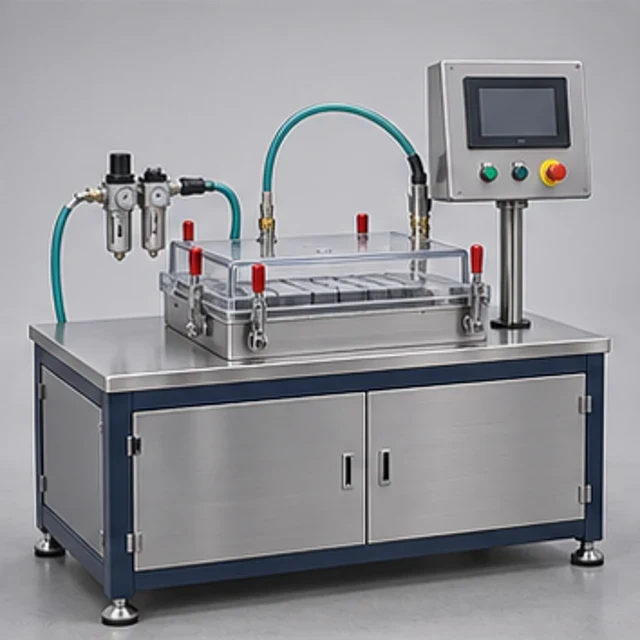
 REPRESENTATIVE CONCEPT
Planned
Air Leakage Tester for Batteries
Inspection & Quality ControlBattery enclosure air-leak testing.
AMB-ALT-01Explore equipment ↗
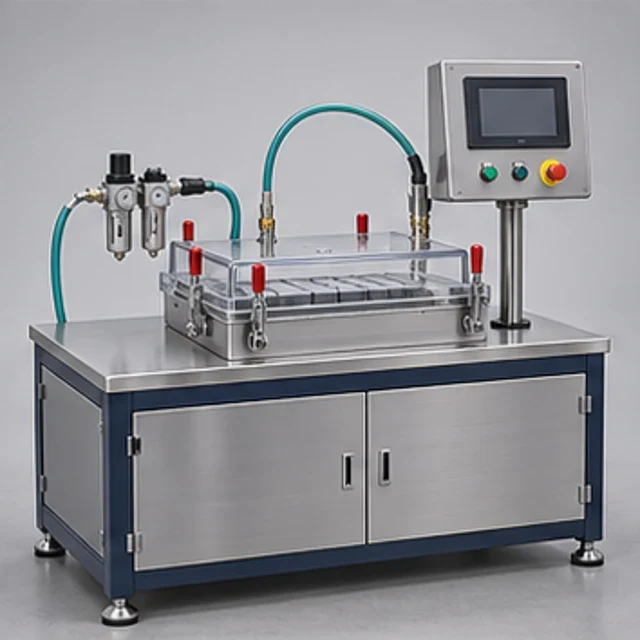
Intended for supplier review of helium-based or pressure-decay integrity checks for a defined enclosure. These are alternative methods that need selection and separate calibration/fixture evidence.
| Technical Parameter | Indicative Configuration |
|---|---|
| Test principle | Separate helium vacuum, helium sniffer or pressure-decay technology |
| Test object format | Customer-approved cell/enclosure/component type and safe state |
| Test volume | Application-specific test object and fixture volume (L) |
| Helium tracer configuration | Selected helium vacuum or sniffer instrument; tracer preparation separately defined |
| Pressure-decay configuration | Separate selected pressure-decay instrument and circuit |
| Vacuum chamber option | Optional rated vacuum chamber for suitable test object |
| Vacuum pumping arrangement | Selected compatible pumping and vapour protection |
| Test pressure | Customer part limits and selected method determine pressure |
| Absolute/gauge reference | Gauge/absolute reference explicitly stated for each circuit |
| Leak-rate measurement range | Actual selected instrument range; full fixture/system validation required |
| Leak-rate units | Helium: Pa·m³/s or mbar·L/s; pressure decay: Pa/s or calibrated flow with conditions |
| Selected instrument sensitivity | Method-specific instrument and system sensitivity; not interchangeable |
| Calibration method | Selected method calibration and routine verification |
| Reference leak standards | Suitable traceable leak standard with defined gas/conditions |
| Fixture connection | Application-specific connectors and isolation |
| Sealing interface | Compatible seals with fixture background-leak assessment |
| Fill/evacuation sequence | Method-specific fill/evacuate/isolate/test sequence |
| Stabilisation interval | Validated for actual temperature, pressure and part volume |
| Test duration | Established by validated method; no universal test time |
| Reject limits | Customer-approved method-specific acceptance and retest limits |
| Recovery/venting | Controlled vent/tracer handling; recovery only if selected |
| Data logging | Optional method/recipe/part/result records |
| PLC integration | Supported instrument interface; integration optional |
| Safety and gas handling | Pressure/vacuum protection, tracer ventilation and compatible exhaust |
| Customer application and acceptance criteria | Agreed object condition, method, acceptance and selected supplier evidence |
Technical specifications indicate configurable equipment solutions. Final capabilities, operating parameters, instrumentation, performance and supply arrangements will be confirmed following application review and detailed engineering.
Helium vacuum detection, helium sniffing and pressure decay are distinct systems, not one universal instrument. Their sensitivity and leak units are not interchangeable. A minimum detectable leak requires selected instrument, tracer/reference conditions and complete fixture/system validation.
Equipment configurations and specialised instrumentation are selected according to application requirements, with supply feasibility confirmed during technical evaluation. Proposed configurations include Helium vacuum leak-detection system; Helium sniffer-based testing; Separate pressure-decay leak-test station. Only the explicitly selected configuration and operations form the agreed scope. This enquiry-led listing does not establish completed manufacture, installations, inventory or a confirmed supplier appointment.
Battery enclosure-integrity development and specialist leak-test method evaluation. Confirm the intended process, materials and acceptance method during application review.
Mechanical interfaces, operating mode and control requirements are defined during engineering review. Available configuration choices depend on the agreed equipment scope.
Helium vacuum detection, helium sniffing and pressure decay are distinct systems, not one universal instrument. Their sensitivity and leak units are not interchangeable. A minimum detectable leak requires selected instrument, tracer/reference conditions and complete fixture/system validation.
Electrical, communication and any compressed-air/conditioning requirements follow the actual selected components and site interfaces. Basic manual fixtures do not automatically include PLCs, servo drives or HMI systems. Utilities, optional modules and integration responsibilities are confirmed in the technical scope.
Cycle time; calibration; helium cost. Helium vacuum detection, helium sniffing and pressure decay are distinct systems, not one universal instrument. Their sensitivity and leak units are not interchangeable. A minimum detectable leak requires selected instrument, tracer/reference conditions and complete fixture/system validation. Customer-approved acceptance, application-specific risk assessment and appropriate safeguards are required before operation or substitution.
A documented risk assessment, guarding review, material compatibility check and application-specific operating procedure are required before use. No CE, UL, IEC, hazardous-area approval or other certification is established by this listing. Conformity documentation depends on the agreed scope and destination requirements.
Read the Product Information Disclaimer
Request technical documentation and an application-specific configuration with your enquiry.
Intended partner-supply route only. No named partner appointment, authorisation, available machine, scope or delivery is confirmed by this listing. Please request the current engineering and supply status.
Share your materials, required capacity, process constraints and acceptance criteria. The team will review feasibility before confirming any custom scope.
REPRESENTATIVE CONCEPTBattery enclosure air-leak testing.
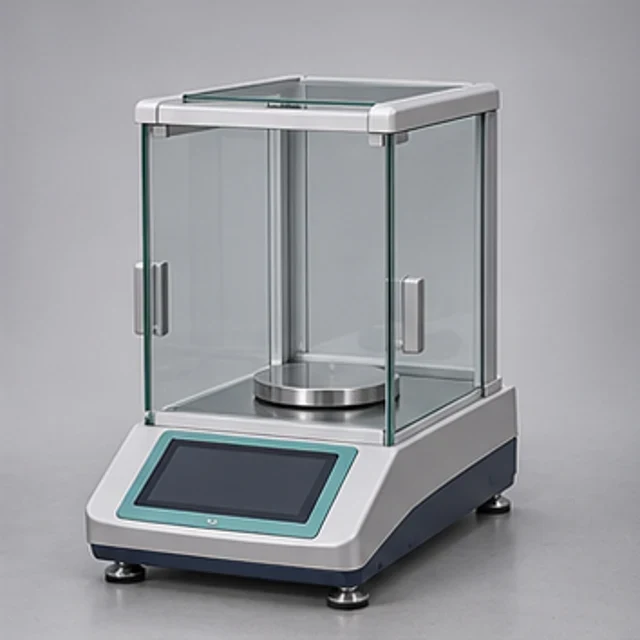 REPRESENTATIVE CONCEPT
Insulation resistance and dielectric test review.
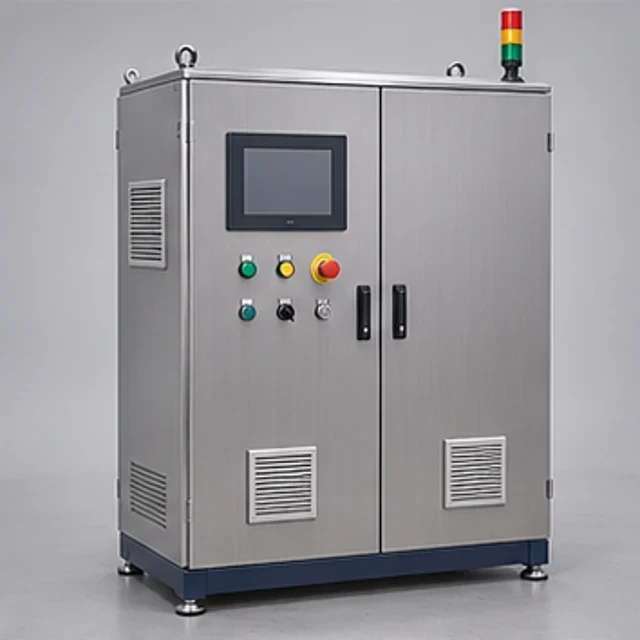 REPRESENTATIVE CONCEPT
Battery-process data acquisition.